Why Reveal
We’re stopping AI insider threats across the human-to-agent behavioral journey. Learn about our approach.


At Reveal we have always believed that insider threats are not defined by a single event. They are defined by a collection of behavioral signals pieced together across your stack. The threat lies in between individual actions. That’s why we monitor end-to-end journeys of behavioral sequences.
Our platform learns the many different patterns of ‘normal’ behavior for each identity and flags the run that fits none of them, so you contain a threat before damage is done.
The need for sequence-based behavioral detection is needed now more than ever with the broad adoption of AI. Agents and AI authenticate under human credentials and move at machine speed. Their behavior is unpredictable, each run looking different than the last. They find ways to accomplish their tasks even if it means acting out of scope. Access controls and guardrails define what they can do in theory, but you need to know what they’re doing in reality.

We believe sequence-based behavioral anomaly detection and automated response actions are the best way to secure threats across the human-to-agent behavior journey.
Most security tools assess identity risk at the individual event level. They rely on predefined rules and known patterns. When an alert is fired, it’s sent to a ticketing system for an analyst to review, but the damage is likely already done.
Reveal’s breakthrough is our patented Machine Learning model that learns all of the many different ‘normal’ sequences an identity has, without anyone having to tell the system what ‘normal’ looks like. And when behavior signals risk beyond a doubt, action to stop the threat is taken automatically.
Reveal’s Approach:
The result is a comprehensive view of what your identities are doing, high-confidence risk
detection, and threat containment.
With AI-backed attacks, every second counts. There’s no time for manual parsing or piecing together stories of compromise. So we built a platform that observes, detects and responds all in one so you’re not switching tools. Containing insider threats across the human-to-agent behavioral journey relies on:
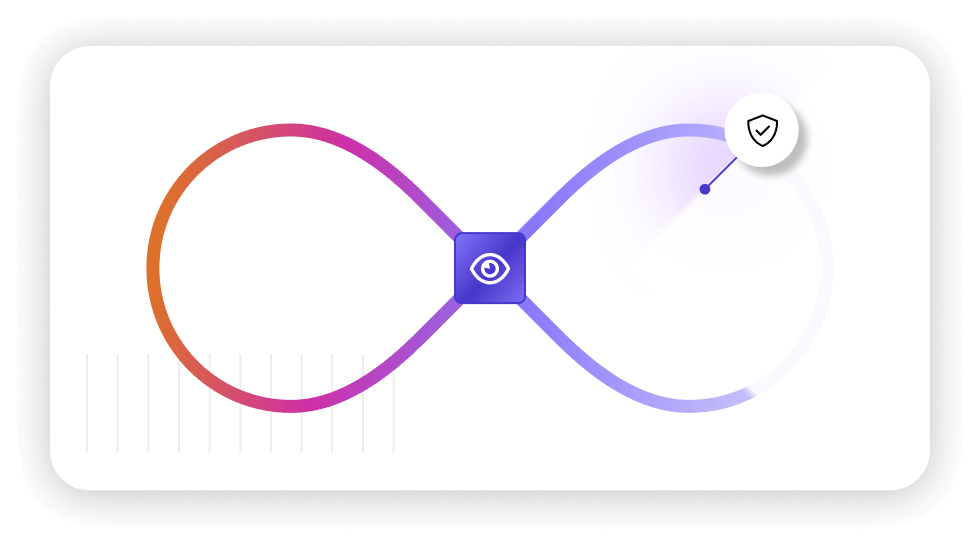
See every journey your AI, NHI,
and humans take.
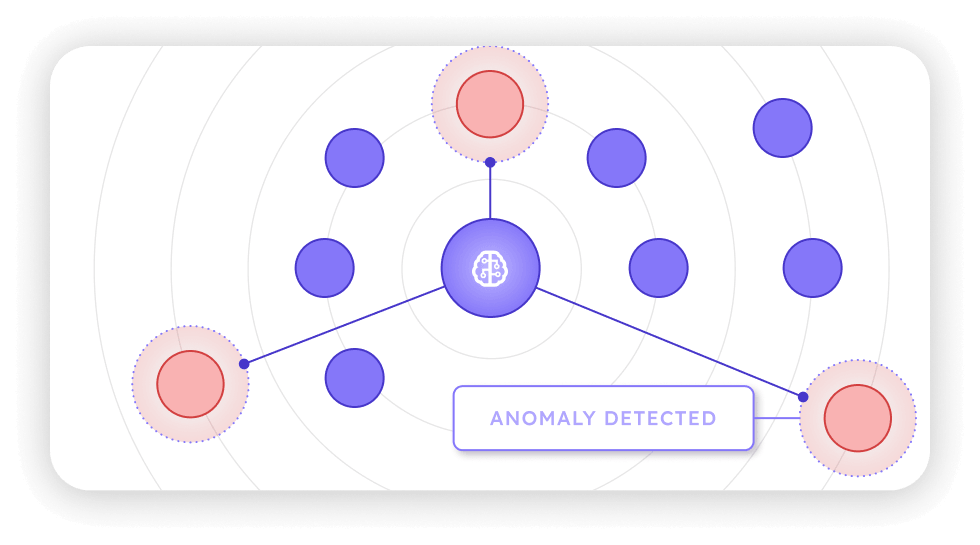
Detect what’s risky,
not just rare.
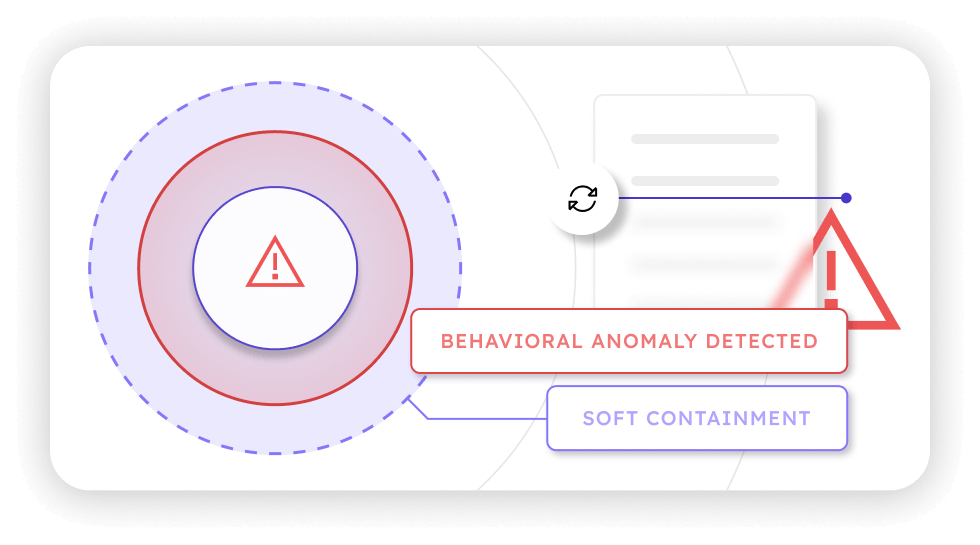
Contain threats
the moment they appear.


Reveal is designed to fit into your existing environments and workflows with minimal operational impact.

We want to give your CISO and Security Team peace of mind, not added operational overhead.
Follow Us –


